Trusted El Cajon Top Paver Installation for Outdoor Upgrades
Transform Your Outdoor Space: Expert Landscaping Tips for a Stunning Home Garden
Converting an outdoor space into a gorgeous home garden involves careful design and thoughtful implementation. By examining the distinctive characteristics of a outdoor area, people can set clear garden objectives. Selecting vegetation suited to the local climate is essential. Moreover, incorporating practical hardscape elements enhances both beauty and usability. Still, the journey doesn't stop there. Learning to sustain visual appeal and ecological balance can uplift any garden significantly. What strategies lead to lasting success?
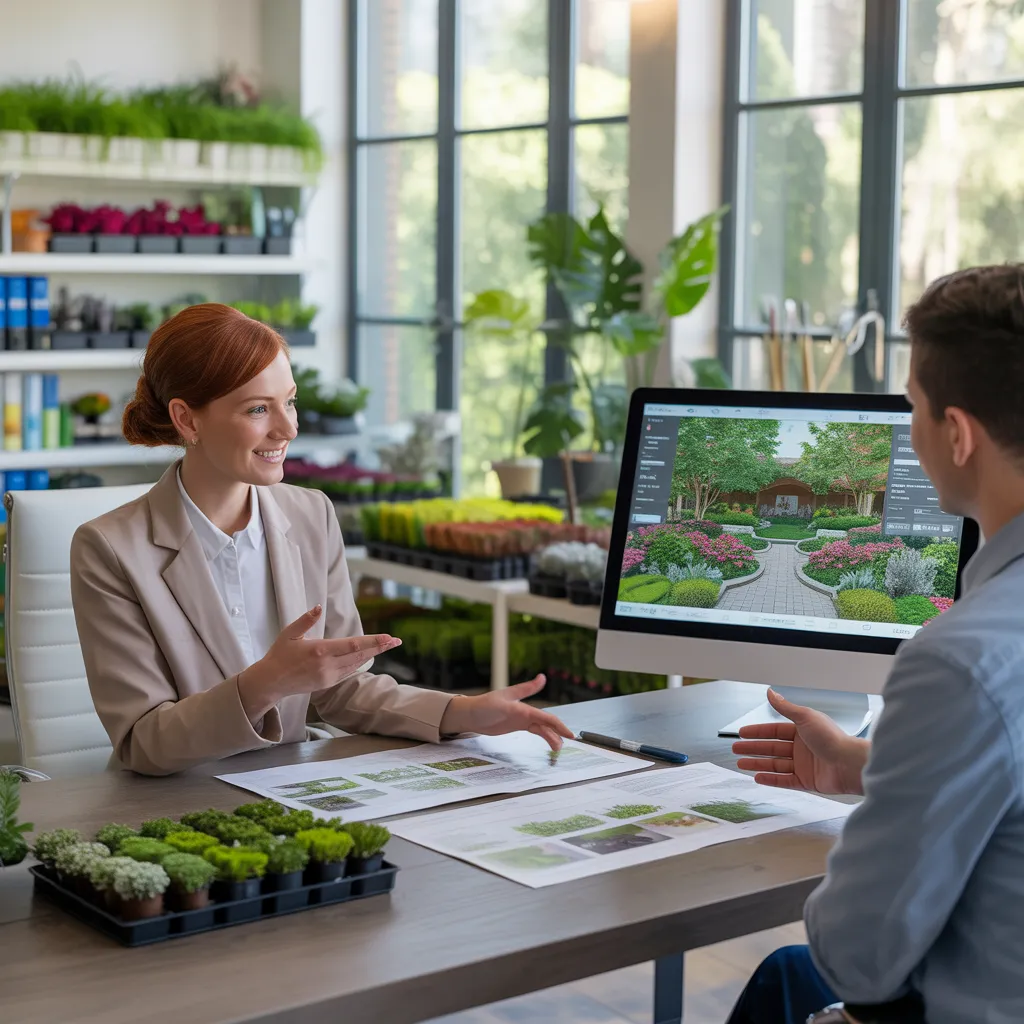
Assess Your Space to Define Your Landscaping Goals
Before undertaking any landscaping project, it is essential for residents to thoroughly evaluate their exterior setting. This preliminary assessment enables them to grasp the unique features of their yard, including light exposure, soil composition, and existing vegetation. Identifying these elements helps in determining what types of landscape features and design can be successfully integrated into the area.
Homeowners should document dimensions and record any barriers including trees, barriers, or walkways that may affect the design. Additionally, understanding individual tastes and lifestyle needs—such as areas for entertainment, plant cultivation, or leisure—can guide the landscaping goals. By clearly defining these aims, property owners set a solid foundation for a unified and practical outdoor environment. This thoughtful evaluation results in a greater and satisfying garden renovation, ensuring the exterior environment improves not just the property's visual appeal but also fulfills the practical needs of its residents.
Select the Best Plants for Your Local Climate
Picking the right plants for a particular region is important for creating a thriving outdoor space. Understanding local weather patterns, such as temperature ranges, rainfall, and moisture levels, helps homeowners choose vegetation that will thrive. Indigenous vegetation typically adjust best, requiring minimal maintenance and water. For example, drought-resistant varieties are ideal for arid regions, whereas water-preferring plants flourish in moisture-rich environments.
Gardeners should additionally take into account climate variations; choosing vegetation that offers continuous appeal enhances the landscape. Spring-flowering plants, summer perennials, and vibrant fall foliage can produce a striking visual display. Moreover, speaking with regional nurseries or extension services can provide helpful information into hardy plant varieties adapted for particular environments.
Finally, a well-planned vegetation arrangement enhances not just visual appeal but additionally promotes local wildlife and advances ecological health, which makes it a smart decision for every outdoor space transformation.
Transform Your Garden With Functional Hardscaping Components
Functional hardscaping elements prove essential in creating exterior layouts and enhancing their usability. By incorporating seating areas and expertly planned walkways, homeowners can create charming outdoor spaces that encourage rest and activity. Additionally, borders can help delineate different zones within the garden, adding structure and visual interest.
Create Your Garden Space
Creating a carefully organized outdoor space can renovate a yard into an welcoming retreat. One reliable technique to achieve this is through functional hardscaping elements, which provide organization and layout. Pathways made from natural stone or brick guide visitors while boosting visual appeal. Support walls can create terraced heights, enhancing the garden's overall design and preventing soil degradation. Fencing or trellises can mark borders, ensuring seclusion and a sense of enclosure. Incorporating raised garden beds not only defines planting areas but also makes them more accessible. These elements work together to create distinct zones that enhance both aesthetics and functionality. Ultimately, a well-organized outdoor space creates a tranquil setting where homeowners can unwind and appreciate the outdoors.
Incorporate Seating Areas
Incorporating seating areas into an exterior environment greatly enhances its usability and attractiveness. By integrating functional hardscaping elements, homeowners can create inviting spots for rest, gathering, or appreciating the outdoors. Options include benches, patio sets, or hammocks, each contributing to the garden's aesthetic and comfort. Thoughtfully positioning chairs near key areas like garden displays or fountains, encourages users to engage with their surroundings. Additionally, using materials like stone or wood can match the landscape's style, ensuring a cohesive look. Shade structures, such as arbors or parasols, provide comfort during hot seasons, making these areas usable year-round. Ultimately, well-designed seating areas convert a standard yard into a pleasant sanctuary for family and friends.
Create Walkways And Borders
Pathways and borders are essential aspects in garden design, guiding explorers within your garden while improving its compositional strength. These produce structure and direction, supporting the recognition of separate zones and vegetation types. Stone, gravel, or brick materials can construct permanent walkways, whereas natural borders from plants or decorative dividers increase aesthetic quality. Pathways can inspire exploration, highlighting focal points such as garden beds or water features. Well-designed borders prevent unwanted vegetation and landscape degradation, promoting garden health. In summary, adding pathways and borders increases practicality and improves aesthetic quality to your outdoor area, transforming locations into more inviting and pleasant settings.
Build Flow Using Walkways and Sitting Zones
A thoughtfully designed exterior area regularly showcases a cohesive circulation created through strategically arranged pathways and rest areas. Pathways lead people throughout the garden, developing a strong sense of navigation while improving the aesthetic appeal. Applying get details selections including gravel, stone, or wood can improve the path's beauty and support durability.
Rest zones offer resting spots, encouraging visitors to stop and enjoy the environment. Placing seating deliberately near highlights, like a water feature or a planted area, promotes engagement with the outdoor setting. Your seating selection—chairs, benches, or even swings—will affect the mood, whether formal or relaxed.
Blending pathways and seating zones creates an appealing atmosphere, improving practicality and satisfaction. Used together, they form a fluid movement across multiple regions of the garden, inspiring wandering and peace, finally converting any outdoor location into a serene hideaway.
Enhance Your Landscape With Seasonal Hues and Variety
To strengthen the visual attractiveness of a landscape, deliberate curation of seasonal plantings is essential. Blending diverse textural characteristics can introduce layers and fascination, meanwhile deliberately arranged focal areas can command views and forge a balanced plan. Each feature together ensure a vibrant and dynamic garden environment during the entire year.
Select Seasonal Plants with Consideration
Selecting seasonal plants carefully can transform any garden into a dynamic display of colors and textures. By choosing plants that bloom at different times throughout the year, gardeners can guarantee a continuous display of beauty. Spring-flowering bulbs, summer flowering plants, fall-blooming perennials, and winter evergreens each contribute distinctive colors and shapes to the landscape. It is essential to take into account regional weather and earth composition, as well as the plants' development patterns. Indigenous plants often thrive better and require less maintenance, enhancing biodiversity. Additionally, mixing plants of different sizes and flowering periods can create a dynamic visual effect. Ultimately, careful plant choices fosters a garden that evolves with the seasons, providing beautiful displays all year long.
Create Textured Layers For Visual Depth
Building garden depth involves combining textures that accent and improve seasonal shades. By integrating diverse plant species with different leaf patterns, heights, and color schemes, one can create a vibrant landscape design. For instance, the use of broad-leaved plants alongside fine-textured grasses can create contrast and intrigue. Additionally, including natural wood, pebbles, and organic components introduces tactile elements that enrich the overall experience. Seasonal blooms ought to be thoughtfully placed to provide bursts of color throughout the year, maintaining ongoing visual engagement. This thoughtful arrangement not only moves your gaze throughout the space but also develops an absorbing environment where each element reinforces the garden's beauty and equilibrium.
Use Focal Points Strategically
Carefully adding focal points can significantly improve a garden's aesthetic appeal and seasonal vibrancy. These focal points serve as anchors that draw the eye and create a cohesive design. Gardeners can use items like statuary, decorative trees, or colorful gardens to establish visual interest. Flowering displays can be infused through the thoughtful choice of plants with varied bloom periods, ensuring that the garden remains dynamic throughout the year. Textures also play a significant role; mixing sleek pathways with textured bark or verdant leaves creates dimension. By thoughtfully placing these elements, a gardener can establish a welcoming environment that promotes discovery and enjoyment, transforming an outdoor space into an engaging retreat.
Implement Green Methods to Foster a Flourishing Garden
Embracing eco-friendly approaches is important for developing a thriving garden that flourishes in sync with the ecosystem. Horticulturists are advised to utilize native plants, which require lower water and maintenance while boosting regional wildlife. Using chemical-free approaches, such as compost-based methods and organic pest solutions, can greatly minimize synthetic inputs, fostering a more robust natural system
Water-efficient techniques, such as drip irrigation and water collection systems, strengthen sustainability by optimizing efficient resource allocation. Mulching preserves moisture plus reduces weeds, lowering the need for weed killers. Moreover, fostering ecological diversity by integrating multiple plant types fosters resilience to insects as well as diseases.
Soil quality is important; techniques such as rotating crops and soil-covering plants maintain nutrient content minus synthetic nutrients. By utilizing these environmentally-conscious methods, horticulturists can create a thriving area that nurtures vegetation and the environment, resulting in an enhanced horticultural experience.
Manage Frequent Problems for Throughout-the-Year Garden Appeal
A carefully-tended planted area can encounter various obstacles across seasons, affecting its combined visual appeal along with vigor. Typical problems involve pest infestations, lacking minerals, plus inadequate water supply. Recognizing pests in advance is vital; horticulturists should regularly inspect foliage for signs of damage plus address infestations using natural pesticides or adding beneficial insects.
Lacking minerals frequently show as yellow foliage as well as slow growth. Running soil assessments can assist determine particular needs, permitting for precise fertilization Lacking minerals frequently manifest as yellowing leaves as well as slow growth. Performing soil examinations can allow identify individual necessities, making possible focused nutrient application bringing back equilibrium. Also, maintaining adequate water supply is crucial; overwatering can result in root decay, on the other hand under-irrigation stresses plants.
Weather transitions furthermore demand adjustments in care. Throughout winter, applying mulch shields plant roots against cold, whereas summer months can demand increased watering as well as shade to protect fragile plants. By handling such common issues promptly
Should I Undertake Landscaping on My Own or Employ a Landscaper?
Certainly, you can undertake outdoor landscaping on your own, using web-based guides and original ideas. Nonetheless, employing a specialist delivers skill, efficiency, and potentially superior results, specifically for complicated projects or bigger undertakings requiring expert knowledge.
Which Implements Are Required for Home Garden Work?
Necessary equipment for residential landscaping include a leaf rake, digging tool, spade, pruning scissors, cultivator, and a irrigation hose or garden watering can. These equipment support productively maintaining dirt, vegetation, and general garden upkeep, providing quality landscaping.
What's the Best Way to Keep My Yard During the Growing Season?
To keep a yard healthy all year long, regularly cut back plants, apply garden mulch for thermal protection, check soil moisture, and apply seasonal planting methods. Additionally, insect control and fertilization are necessary for vibrant, healthy growth.